Only 59 Girls Per 100 Boys Complete Upper Secondary Education In Rural India: UNESCO
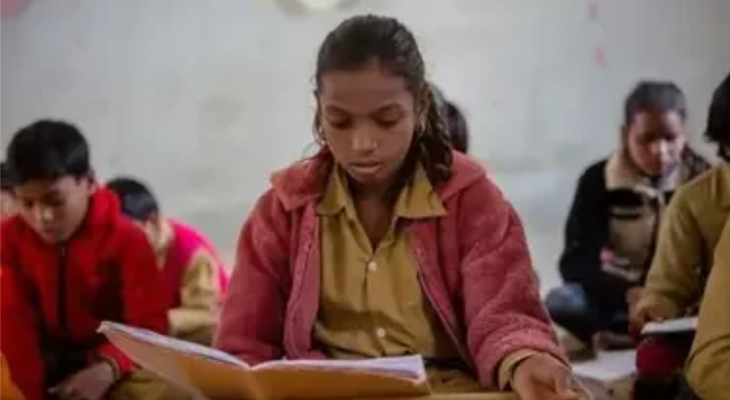
Despite progress in achieving gender parity in school enrolment, girls in rural India continue to face significant barriers to completing their education, with only 59 girls completing upper secondary schooling for every 100 boys, according to UNESCO’s 2026 Global Education Monitoring (GEM) Gender Report.The report highlights a sharp rural-urban divide in India’s education outcomes. While urban areas have achieved gender parity in upper secondary school completion, the gap remains pronounced in rural regions, pointing to persistent inequalities in access to and continuation of education.The findings underline that progress in bringing girls into schools has not necessarily translated into equal opportunities to complete secondary education. Factors linked to location, household income and wider social barriers continue to influence girls’ educational journeys.Child Marriage Continues To Disrupt Girls’ EducationThe report also draws attention to the impact of early marriage on girls’ education. Globally, the proportion of girls married before the age of 18 declined from 25 per cent in 2000 to 18 per cent in 2025. However, the prevalence remains high in some regions, reaching 25 per cent in Central and Southern Asia and 31 per cent in sub-Saharan Africa.Early marriage can interrupt schooling and limit girls’ opportunities to continue their education, reinforcing existing inequalities.Early Pregnancy Keeps Millions Of Girls Out Of SchoolPregnancy and early motherhood remain significant obstacles to education in several parts of the world. In sub-Saharan Africa, an estimated six million pregnant girls and young mothers aged 10–19 were out of school in 2024. Fewer than five per cent returned to education, according to the report.UNESCO also points to gaps in legal protections for pregnant and parenting girls. While 58 per cent of countries guarantee the right to education without discrimination based on sex or gender, only 35 per cent explicitly protect the education rights of pregnant and parenting girls.The report notes that legal provisions alone are not enough to ensure that girls can continue their education. Financial constraints, social stigma, limited childcare facilities, unsafe travel and inadequate sanitation can further prevent pregnant girls and young mothers from returning to school.Legal Protections And School Support Remain ImportantHighlighting the need for practical measures alongside policy commitments, the report points to initiatives that have helped improve girls’ access to education. In Burkina Faso, for instance, girl-friendly schools increased enrolment by 19 percentage points overall, with girls recording larger gains.The findings demonstrate how school-level interventions and supportive learning environments can help address barriers that disproportionately affect girls.UNESCO Director-General Khaled El-Enany said that gender parity in enrolment has been achieved globally from pre-primary through secondary education, but girls continue to face barriers to accessing, completing and thriving in education.The report therefore calls attention to the difference between enrolment and meaningful educational participation. While more girls are entering schools, ensuring that they remain in education and complete their schooling requires action on the social, economic and institutional factors that continue to hold them back.