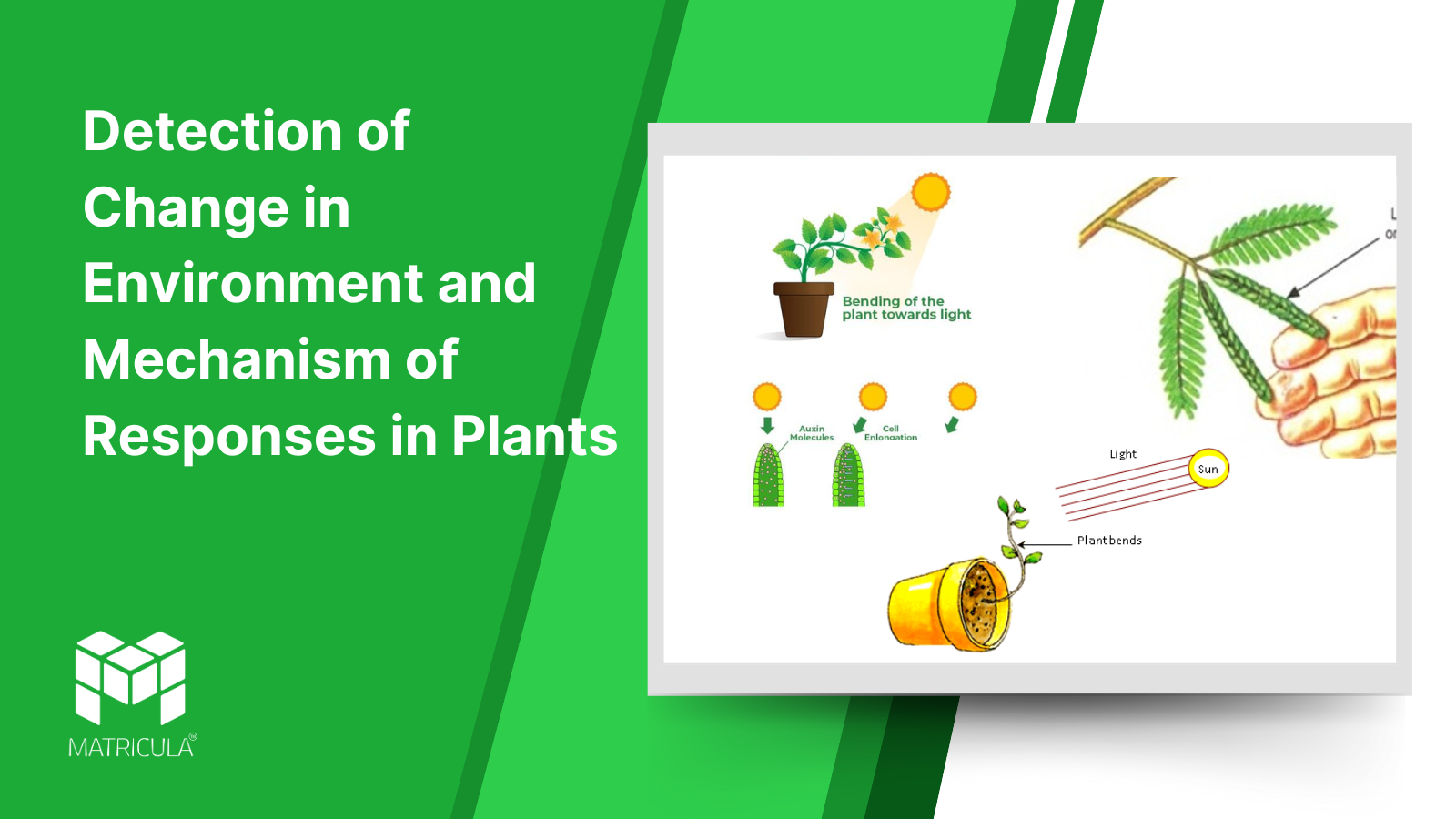


Answer: Phototropism is the directional growth movement of a plant part in response to light. Shoots typically show positive phototropism (growing towards light), while roots show negative phototropism (growing away from light). The hormone primarily responsible for phototropism is auxin. When light falls on one side of a stem, auxin concentrates on the shaded side, stimulating cell elongation on that side. This unequal growth causes the stem to bend towards the light source, ensuring maximum light absorption for photosynthesis.
Answer: A synapse is the junction between two neurons or between a neuron and an effector cell (like a muscle or gland). It is a microscopic gap across which nerve impulses are transmitted. When an electrical impulse (action potential) reaches the presynaptic neuron’s axon terminal, it triggers the release of chemical messengers called neurotransmitters into the synaptic cleft. These neurotransmitters diffuse across the cleft and bind to receptors on the postsynaptic neuron or effector cell membrane. This binding can either generate a new electrical impulse in the postsynaptic neuron or cause a response in the effector cell, thus allowing the transmission of information across the nervous system.
3.List three important functions of hormones in the human body.
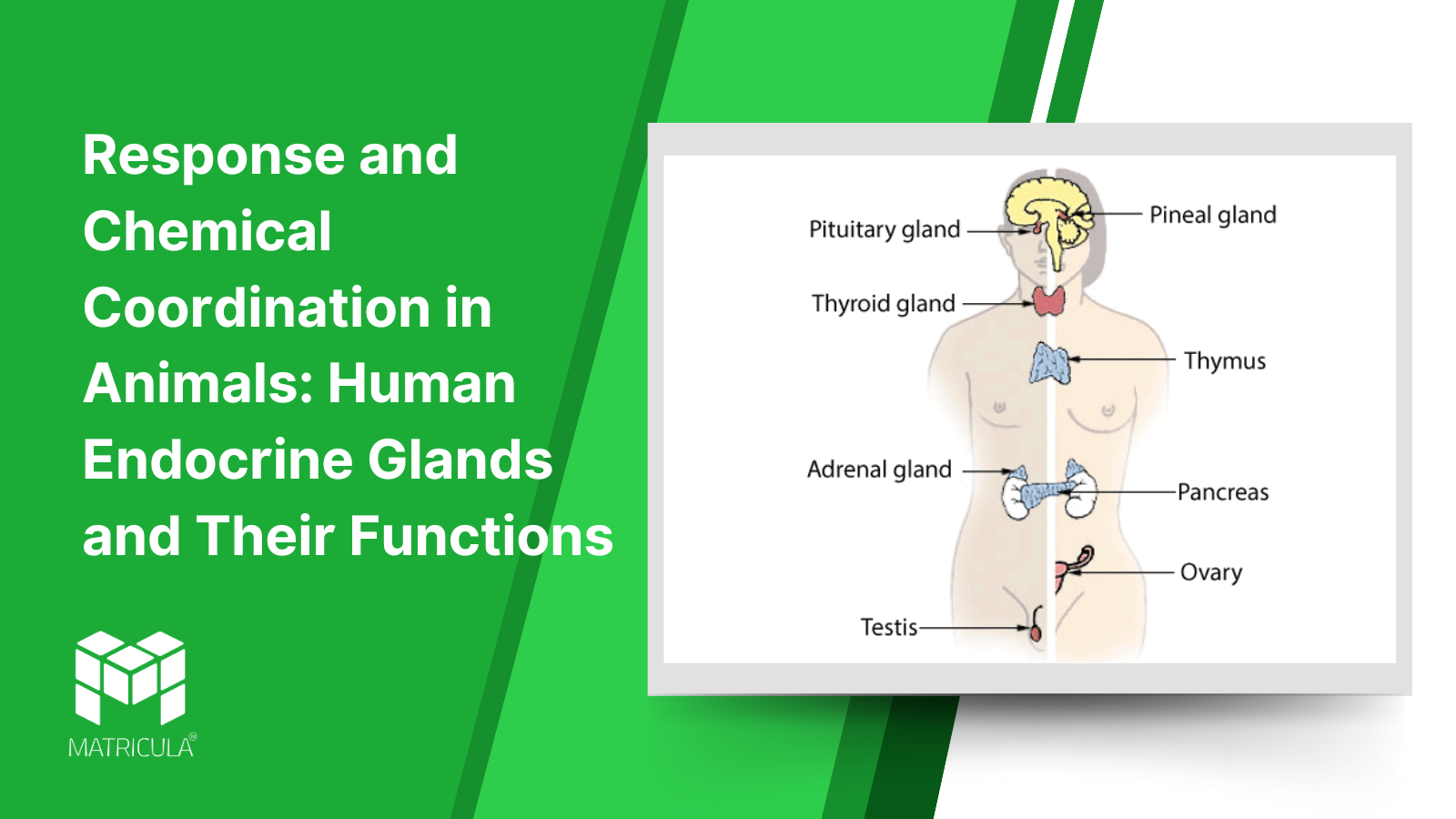
Answer: Hormones play crucial roles in regulating various bodily functions. Three important functions include:
Answer: Plants exhibit various types of movements in response to environmental stimuli. These movements can be broadly classified into tropic movements (directional growth responses) and nastic movements (non-directional responses).
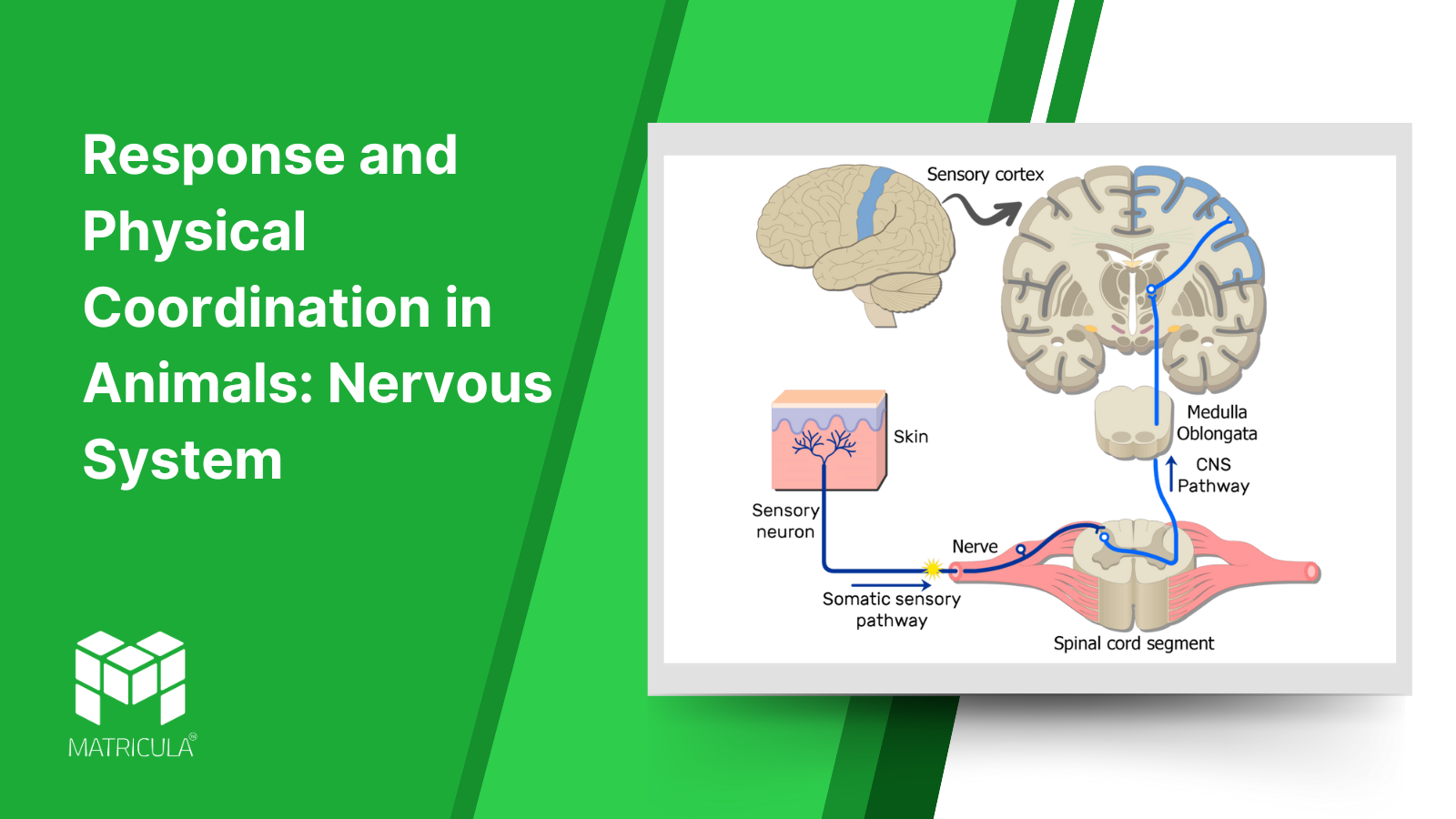
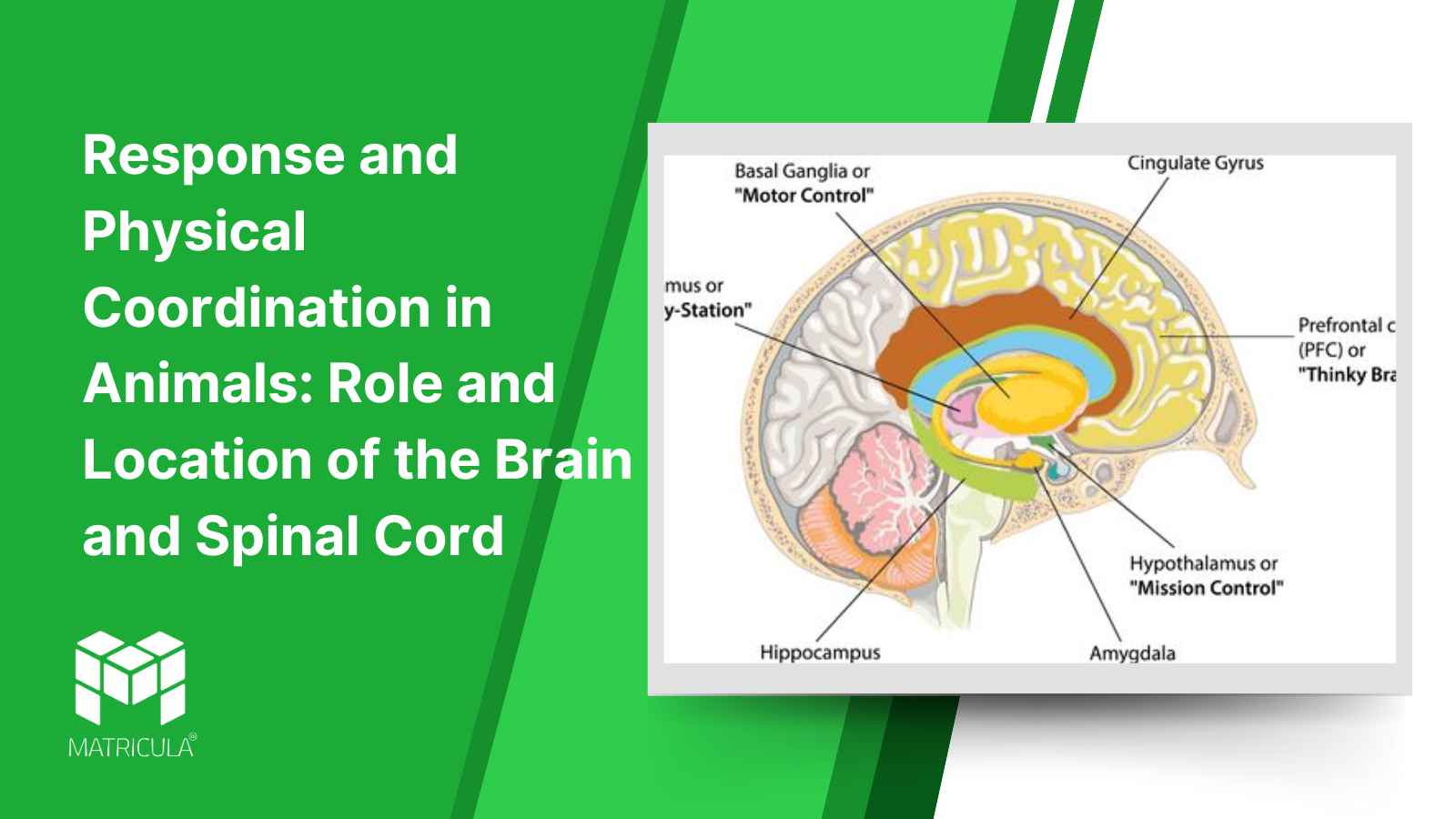
Answer: The human nervous system is a complex network responsible for coordinating and controlling all bodily activities. It is broadly divided into two main parts: the Central Nervous System (CNS) and the Peripheral Nervous System (PNS).
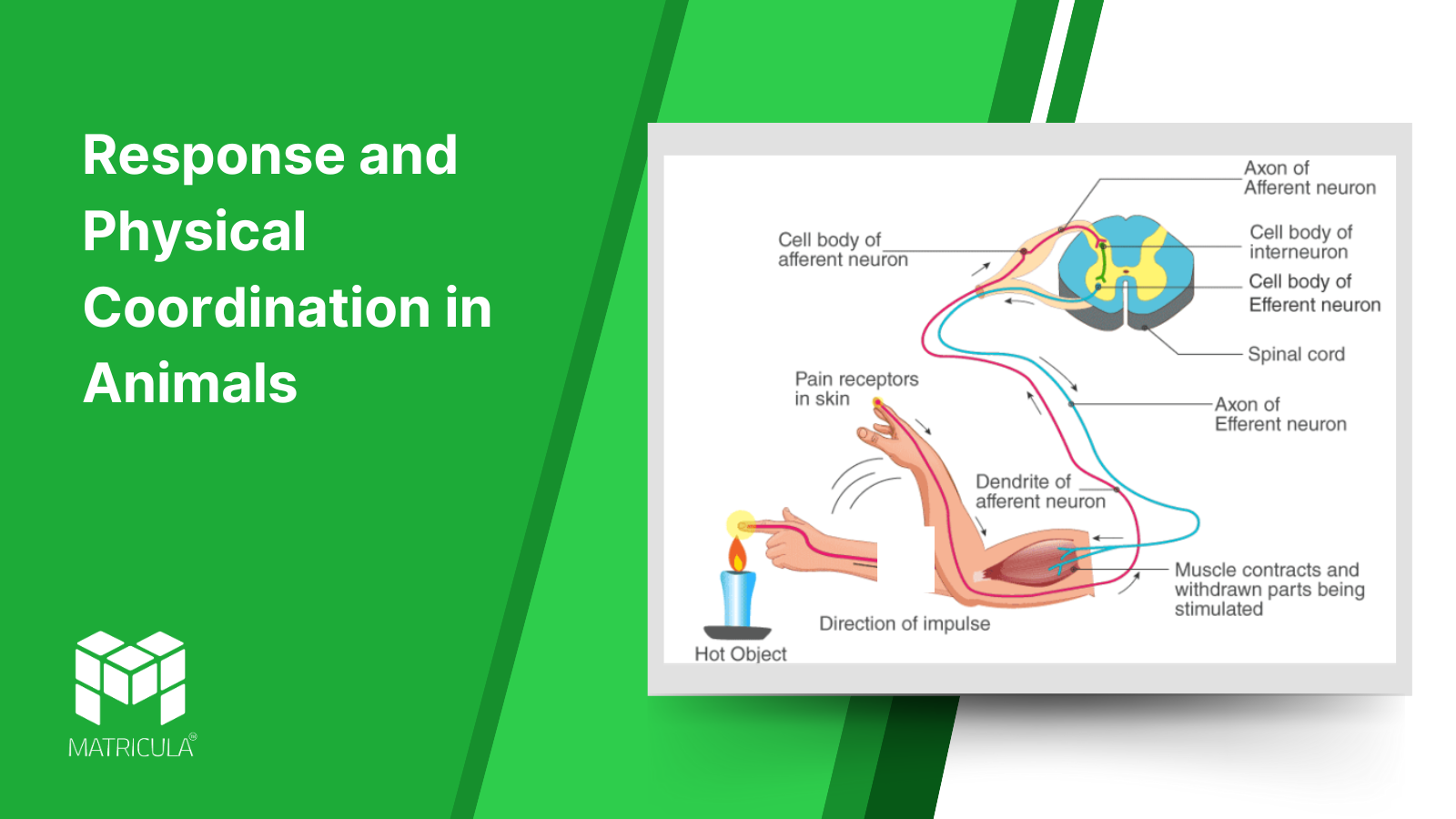
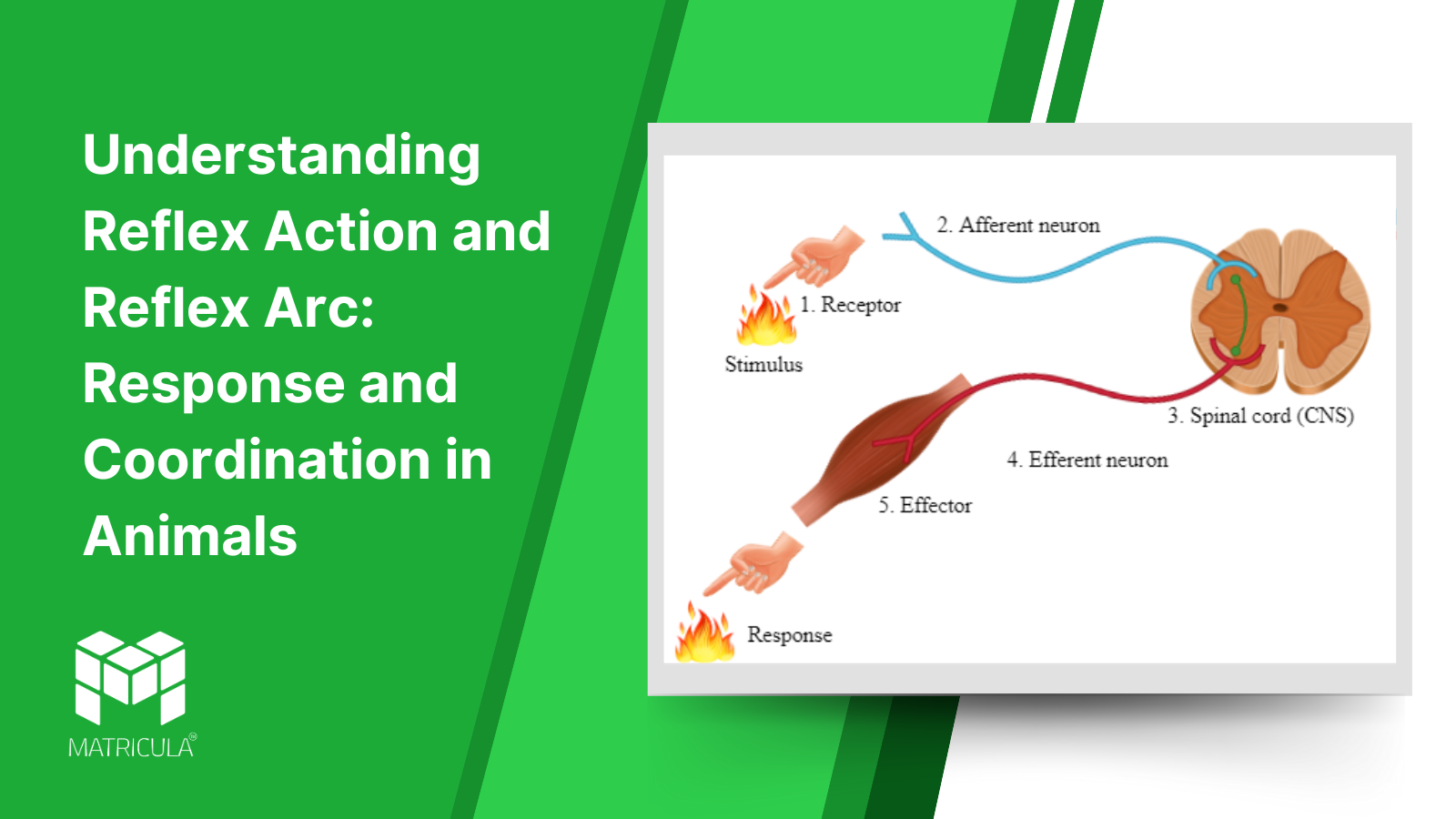
The rapid and involuntary nature of reflex actions is due to the direct pathway involving the spinal cord, often bypassing conscious processing in the brain. This allows for quick responses to potentially harmful stimuli, protecting the body from injury. Example: The withdrawal reflex when you touch a hot object.
Thank you, . Our academic mentor will call you shortly at .